Source Acrylic Roll On Bottle for Skincare, Perfume, and Hair Oil
Find 30 acrylic roll on bottle options for skincare, perfumes, and hair oils. Compare 15ml and 50ml capacities with stainless steel roller balls and customizable PETG or glass materials from Chinese factories; compare the available evidence and request quotations based on your requirements.
Key considerations
Products List


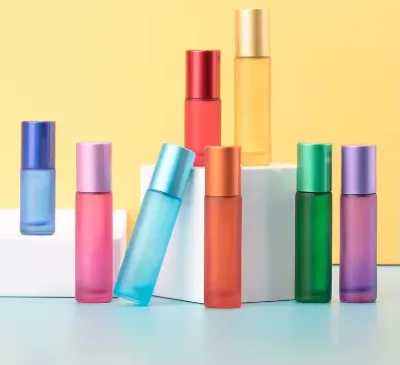

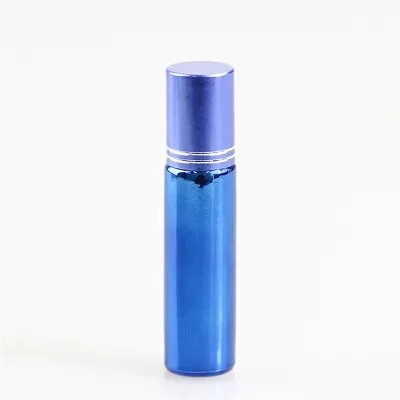


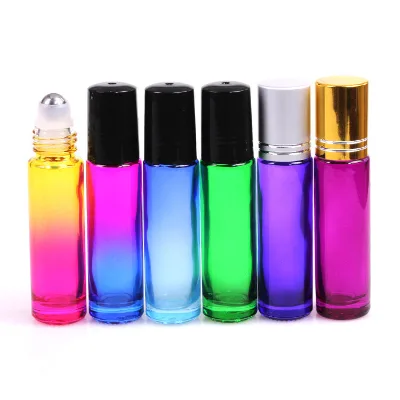

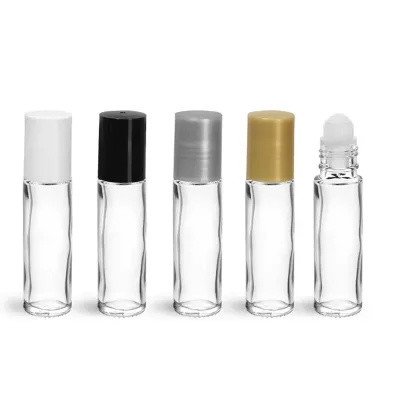

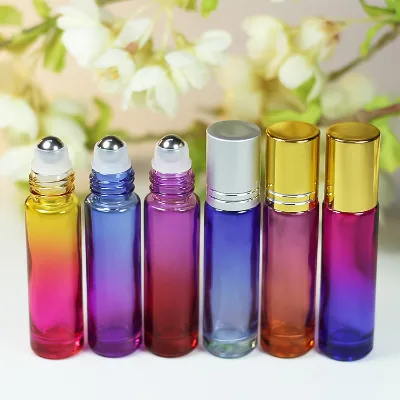
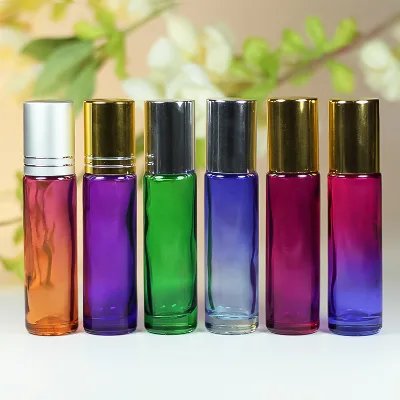
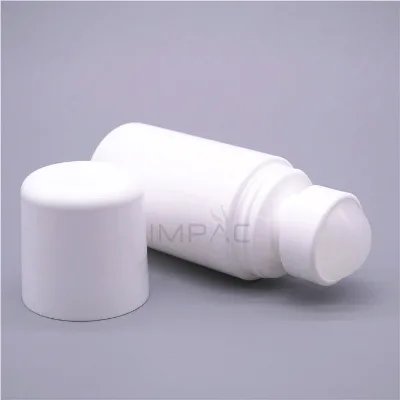


Comprehensive Sourcing Guide
Acrylic Roll On Bottle Sourcing Guide
Buyers must first distinguish between the core keyword and the actual observed inventory, as the supplied data indicates a mix of PETG plastic and glass materials rather than pure acrylic. The observed listings feature roller ball bottles with stainless steel components, specifically designed for skincare products, hair oils, and essential oils. This distinction is critical because material properties like chemical resistance and weight differ significantly between plastic, glass, and acrylic, directly impacting the suitability for specific formulations.
Procurement teams should verify if the requested acrylic specification is a custom requirement or if the available PETG and glass options can meet the functional needs of the application. The observed product range includes capacities of 15 ml and 50 ml, with closure types ranging from lotion pumps to roll-on caps. Understanding these material variances ensures that the selected container will not degrade when in contact with the specific oils or serums intended for use, preventing potential leakage or product contamination.
Product Scope and Observed Listing Signals
The market signals indicate a strong focus on customization, with suppliers offering silk printing, hot stamping, and gradient decoration options for these containers. Buyers will observe that the standard models, such as LR003 and SRS8447, support specific dimensions like 25mm*157mm or 15ml capacities, while other listings suggest 50ml options. This variability requires careful alignment between the visual design requirements and the physical constraints of the chosen model to ensure the final packaging meets brand aesthetic standards.
Commercial signals reveal a high minimum order quantity, with observed MOQs ranging from 20,000 pieces for custom runs to lower thresholds for stock items. The supply chain data shows a lead time of approximately 35 days for customized orders, with sample availability often free but subject to specific shipping costs. Buyers must account for these volume constraints and timelines when planning product launches, as the high MOQs are typical for factory-direct sourcing of decorated cosmetic packaging.
Technical Specifications to Verify
Verification of the roller ball mechanism is essential, as the observed listings specify stainless steel balls and caps that must function smoothly without leaking. The sealing type varies between roll-on caps and aileress pumps, requiring buyers to confirm the specific mechanism matches the viscosity of the intended liquid product. Ensuring the closure type is compatible with the bottle material prevents issues such as cap loosening or seal failure during transit and storage.
Dimensional accuracy and material thickness are critical technical parameters that influence the durability and perceived quality of the final package. The observed standards list specific dimensions like 25mm*157mm, but buyers should request physical samples to verify wall thickness and structural integrity. Additionally, the processing methods, including metalized and painting techniques, must be evaluated to ensure the finish adheres properly and does not chip or fade under normal handling conditions.
Compliance and Safety Documentation
While the supplied facts do not list specific certifications, buyers must request documentation proving the materials are safe for cosmetic and personal care applications. The observed usage includes eye care and perfumes, which often require compliance with regional regulations regarding chemical migration and toxicity. It is the buyer's responsibility to ensure the supplier can provide test reports confirming the plastic or glass materials do not leach harmful substances into the product.
Safety documentation should also cover the integrity of the sealing mechanisms to prevent contamination and leakage during shipping. Buyers should verify that the packaging materials meet relevant international standards for food and cosmetic contact, even if the specific standard numbers are not explicitly listed in the initial product data. Requesting a Declaration of Conformity or similar safety statement is a necessary step before finalizing any large-scale order for products intended for human use.
Cost Drivers and Commercial Terms
The primary cost drivers for these containers include the material type, the complexity of the decoration, and the volume of the order. The observed data shows a price range of 0.02 to 7 USD, which likely reflects the difference between simple stock items and highly customized, decorated units. Buyers should anticipate that adding features like gradient colors, silk screening, or hot stamping will increase the unit cost significantly compared to plain, undecorated bottles.
Commercial terms are heavily influenced by the high minimum order quantities and the extended lead times observed in the supply chain. Payment terms typically involve telegraphic transfers, and the delivery time for customized orders is around 35 days, which impacts cash flow and inventory planning. Buyers must negotiate clearly on who bears the cost of samples and shipping, as the data indicates samples may be free but shipping costs vary based on the specific request.
Supplier Qualification and Quality Control
Supplier qualification should focus on verifying their manufacturing capabilities, as the data confirms the presence of a factory rather than a trading company. Buyers must assess the supplier's ability to maintain consistent quality across large batches, given the high MOQs of 20,000 pieces. It is advisable to audit the production line to ensure that the painting and metalizing processes are controlled to prevent defects like uneven color or poor adhesion.
Quality control protocols must address the specific risks associated with roller ball mechanisms, such as ball movement and seal integrity. Buyers should implement a rigorous inspection plan that includes checking the smoothness of the roller ball and the tightness of the cap. Since the observed packing involves five-layer corrugated boxes or standard export cartons, the packaging process must be validated to ensure the bottles arrive without breakage or damage during international transit.
Long-Term Procurement Checks
Long-term procurement success depends on establishing a reliable supply chain that can consistently meet the high volume requirements of 20,000 pieces or more. Buyers should monitor the supplier's ability to maintain the 35-day lead time even during peak seasons, as delays can disrupt product launches and inventory levels. Building a strong relationship with the factory ensures better communication regarding material availability and production scheduling.
Continuous quality monitoring is necessary to ensure that the decoration and material standards remain consistent over multiple production runs. Buyers should periodically request new samples to verify that the gradient colors, silk printing, and bottle dimensions have not drifted from the approved standard. Regular audits and feedback loops will help maintain the high quality expected for cosmetic and personal care products, ensuring brand reputation is protected over the long term.
FAQs
Can I customize the logo on acrylic roll on bottles?
Yes, logo customization is available through silk printing and hot stamping processes. Buyers can choose specific designs to match their brand identity. This service allows for professional branding on the bottle surface, ensuring that the final product reflects the company's visual guidelines and marketing strategy effectively.
What is the lead time for customized acrylic roll on bottles?
The lead time for customized orders is typically around 35 days. This duration accounts for the production, decoration, and quality control processes required for personalized items. Buyers should plan their inventory accordingly to ensure timely delivery, as this timeframe is standard for factory production of customized packaging solutions.
What materials are used for the roller ball and bottle?
The roller ball is made of stainless steel for durability and smooth application. The bottle body is constructed from PETG plastic or glass, depending on the specific model. These materials ensure chemical resistance and safety for storing essential oils, serums, and other cosmetic liquids without compromising product integrity or user safety.
What is the minimum order quantity for these bottles?
The minimum order quantity is generally 20,000 pieces. This high MOQ is typical for customized manufacturing runs to ensure cost-efficiency and production viability. Buyers requiring smaller quantities may need to consider stock items or negotiate specific terms, as the factory standardizes production batches to maintain quality and pricing structures for large orders.
Are samples available for acrylic roll on bottles before bulk order?
Samples are available, with some stock items offered for free. For customized samples, costs apply and delivery takes 7 to 10 days. This allows buyers to verify quality, fit, and decoration accuracy before committing to a large production run, ensuring that the final product meets their specific requirements and expectations.
What capacities are available for these roll on bottles?
Common capacities include 15 ml and 50 ml options. These sizes are suitable for various applications such as essential oils, perfumes, and skincare serums. The 15 ml model is often paired with a 25mm*157mm standard, while larger volumes cater to different usage needs, providing flexibility for diverse product formulations.